

Five Pillars of Student Success
The Framework
That Changes
Everything.
Five integrated pillars. One belonging-centered framework. Built for every student in every classroom.
01
Academic Support
02
Behavior Support
03
Emotional Regulation
04
Communication Skills
05
Leadership Development
01
PILLAR ONE
Academic Support
Every student deserves access to learning that meets them where they are. POAC's academic support model goes beyond tutoring. We build structured, data-informed systems that close achievement gaps, build confidence, and create sustainable habits for long-term success.
Our embedded specialists work alongside teachers to deliver differentiated instruction, targeted coaching, and real-time intervention, so no student falls through the cracks.

Improved Test Scores
Stronger Study Habits
Increased Confidence
Learn how we support academic growth →
02
PILLAR TWO
Behavior Support
Reactive discipline creates cycles. Students disengage, trust erodes, and school culture suffers. POAC replaces reactive systems with proactive frameworks that address behavior at its source, not just its surface.
We train staff in de-escalation, restorative practices, and positive behavior support, building a shared language across your entire school community. The result: fewer referrals, safer classrooms, and stronger relationships.
40%
Average reduction in discipline referrals
3x
Faster behavioral resolution
94%
Staff report improved classroom climate
03
PILLAR THREE
Emotional
Regulation
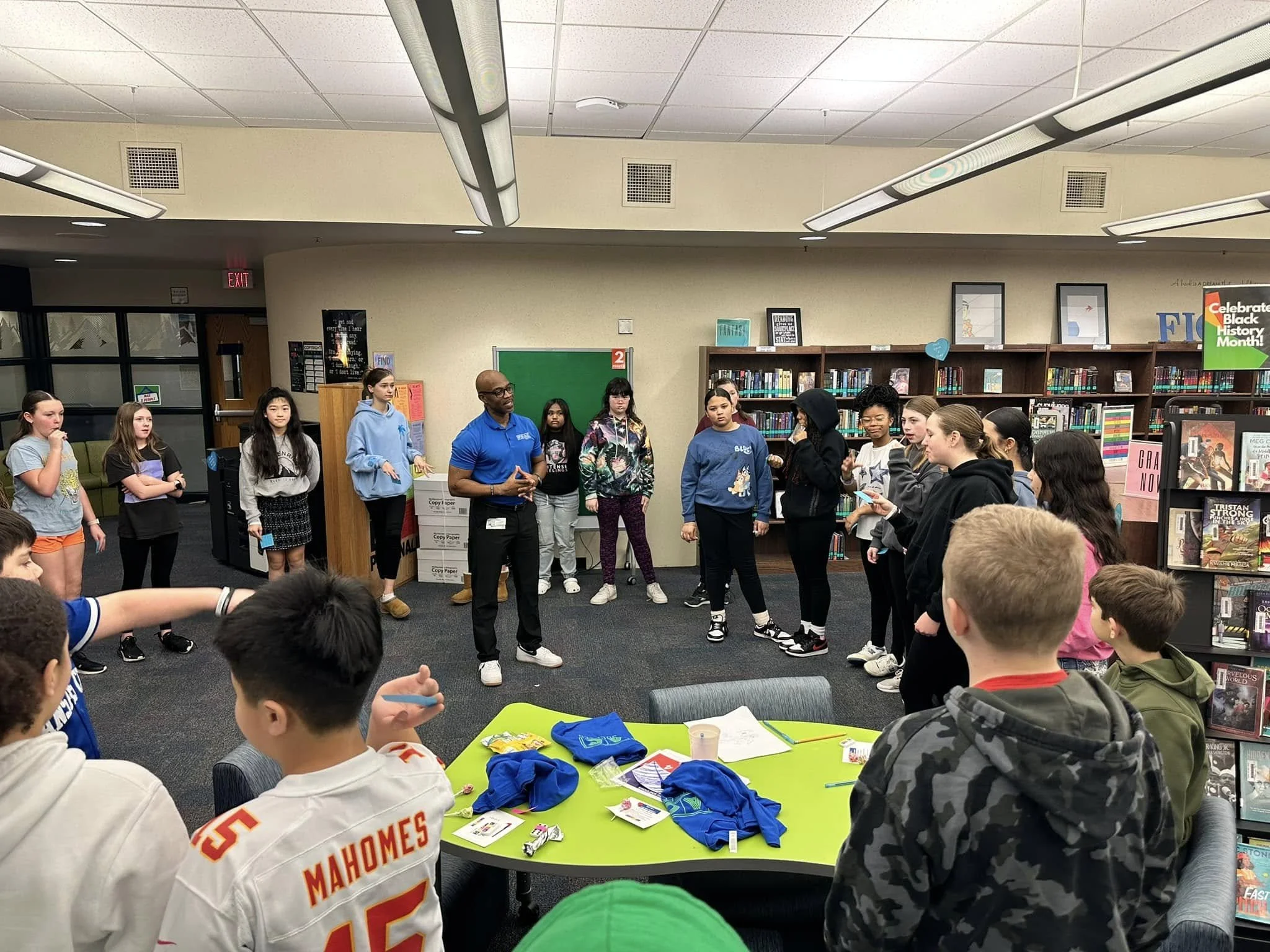
Students cannot learn when they are overwhelmed. POAC's emotional regulation programming gives students and educators the tools to recognize, name, and navigate big emotions, before they become big problems.
Built on evidence-based SEL frameworks, our approach is practical and classroom-ready. We do not just teach feelings. We build capacity for self-regulation, co-regulation, and genuine human connection.
Reduced Anxiety
Improved Focus
Stronger Relationships
Explore our SEL approach →
PILLAR 4
04
Communication
Skills
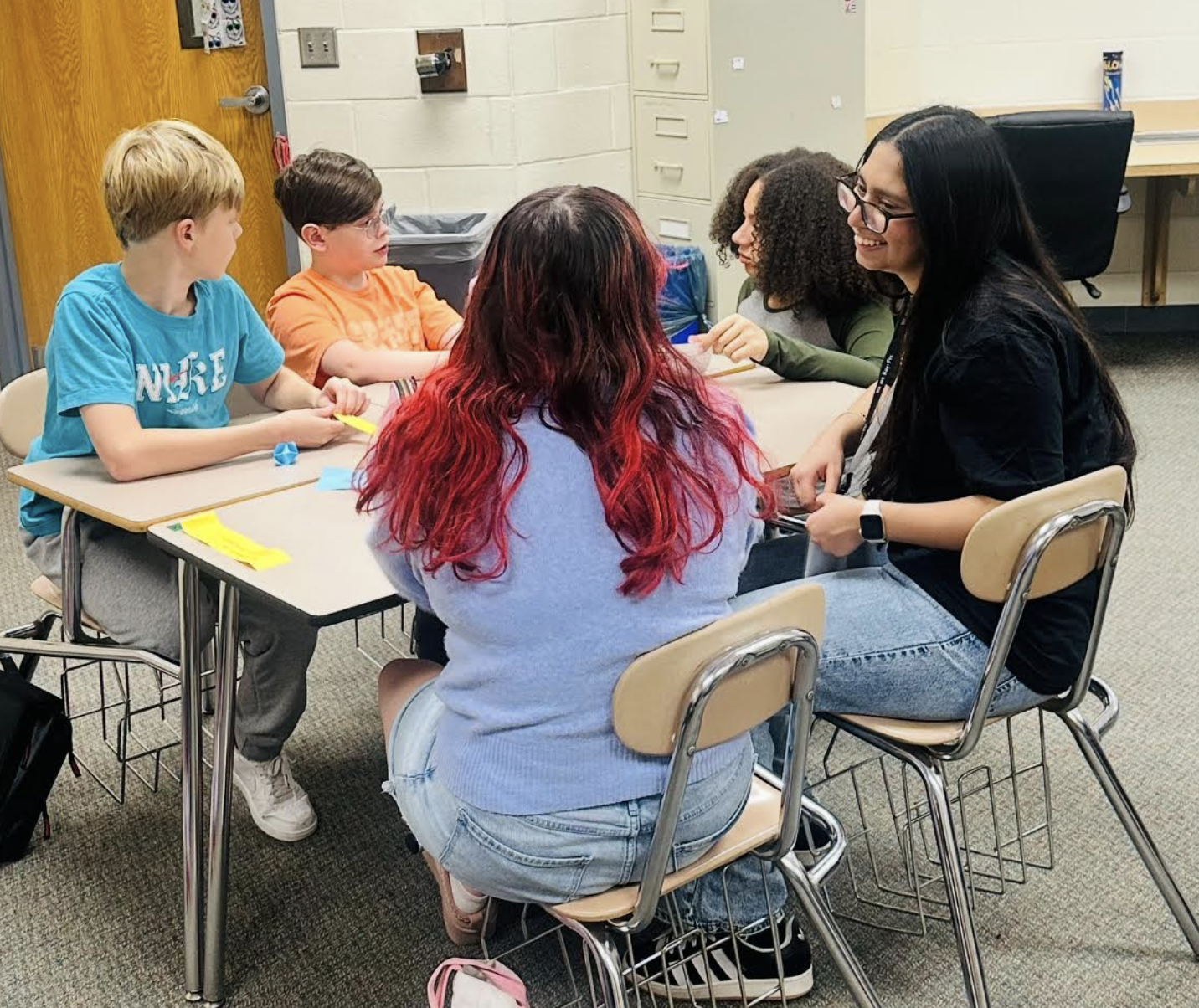
Self-advocacy. Active listening. Expressive language. These are not soft skills, they are survival skills. POAC's communication framework builds the literacy and interpersonal tools students need to navigate school, relationships, and the world.
"These are not soft skills. They are survival skills."
From structured literacy instruction to restorative conversation circles, POAC helps students find and use their voice, and helps educators truly hear it. We build classrooms where communication is a practice, not an expectation.
Improved Test Scores
Stronger Study Habits
Increased Confidence
05
PILLAR FIVE
Leadership
Development
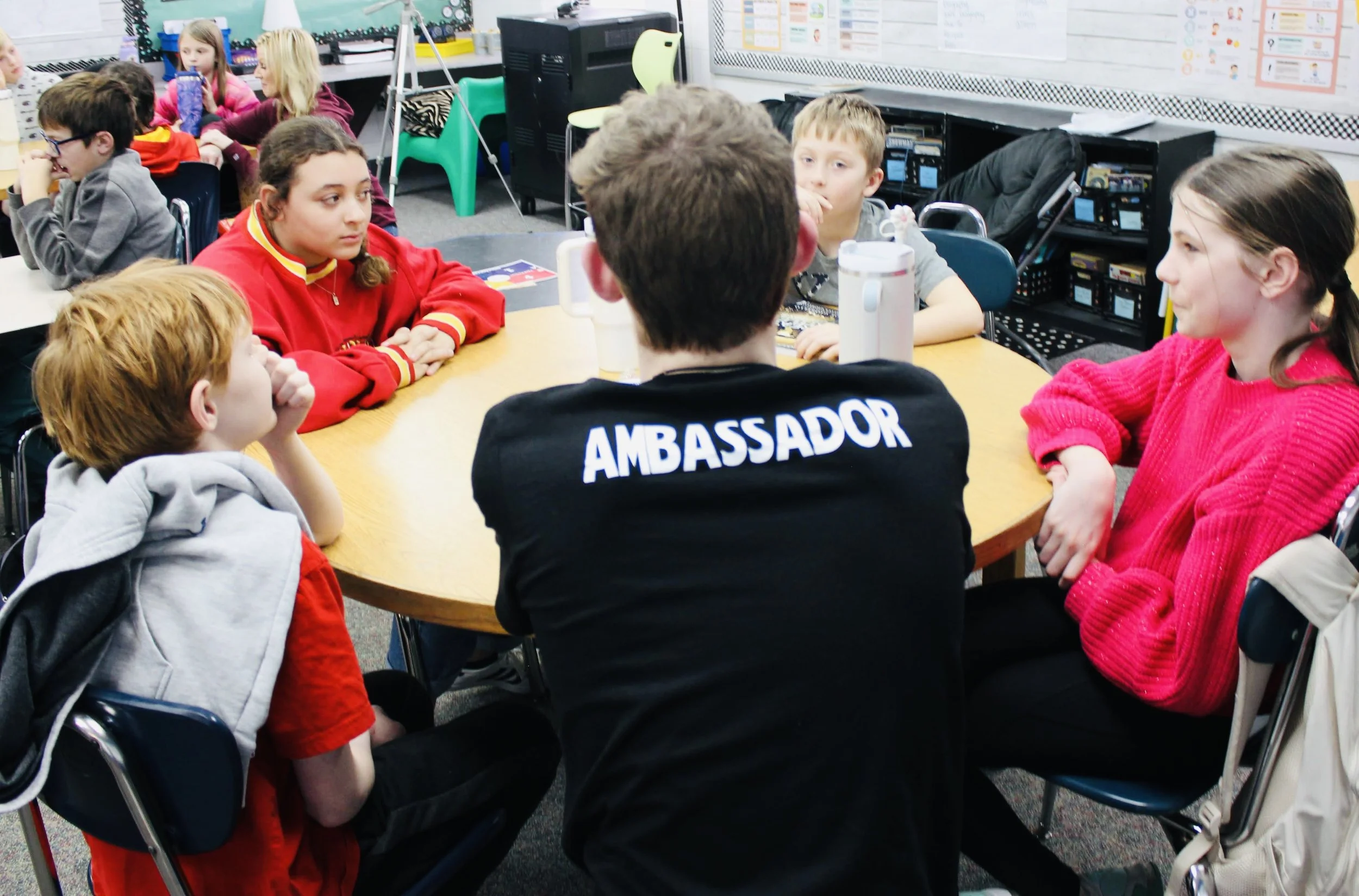
Students are not just learners — they are leaders in the making. POAC's leadership pipeline gives young people the tools, experiences, and mentorship they need to lead in their classrooms, communities, and futures.
We build structured student leadership programs that cultivate agency, civic identity, and a sense of purpose. Because belonging is not just about feeling safe — it is about feeling powerful.
Civic Engagement
Student Agency
Future Readiness
Explore our leadership model →
THE INTEGRATED FRAMEWORK
Five pillars. One whole student.
No pillar stands alone. Academic support strengthens when behavior is stable. Behavior improves when emotions are regulated. Communication deepens when leadership is cultivated. POAC's framework works because it is whole.
01
Academic Support
Closing gaps. Building confidence.
02
Behavior Support
Proactive frameworks. Real results.
03
Emotional Regulation
Equipping students to thrive.
04
Communication Skills
Voice, language, and connection.
05
Leadership Development
Agency, purpose, and civic power.
READY TO PARTNER
Bring all five pillars to your school.
POAC Succeed works with schools to implement the full five-pillar framework or to start with the pillar that matters most right now. Every partnership begins with a free discovery session.
Academic Support
Close gaps, build confidence
→
Behavior Support
Proactive, restorative practices
→
Leadership Development
Agency, purpose, civic power
→
Emotional Regulation
Self-regulation and SEL tools
→
Communication Skills
Voice, literacy, and connection
→