
The Power of Ambassadors: Sometimes the One Who Needs Belonging Becomes the One Who Creates It
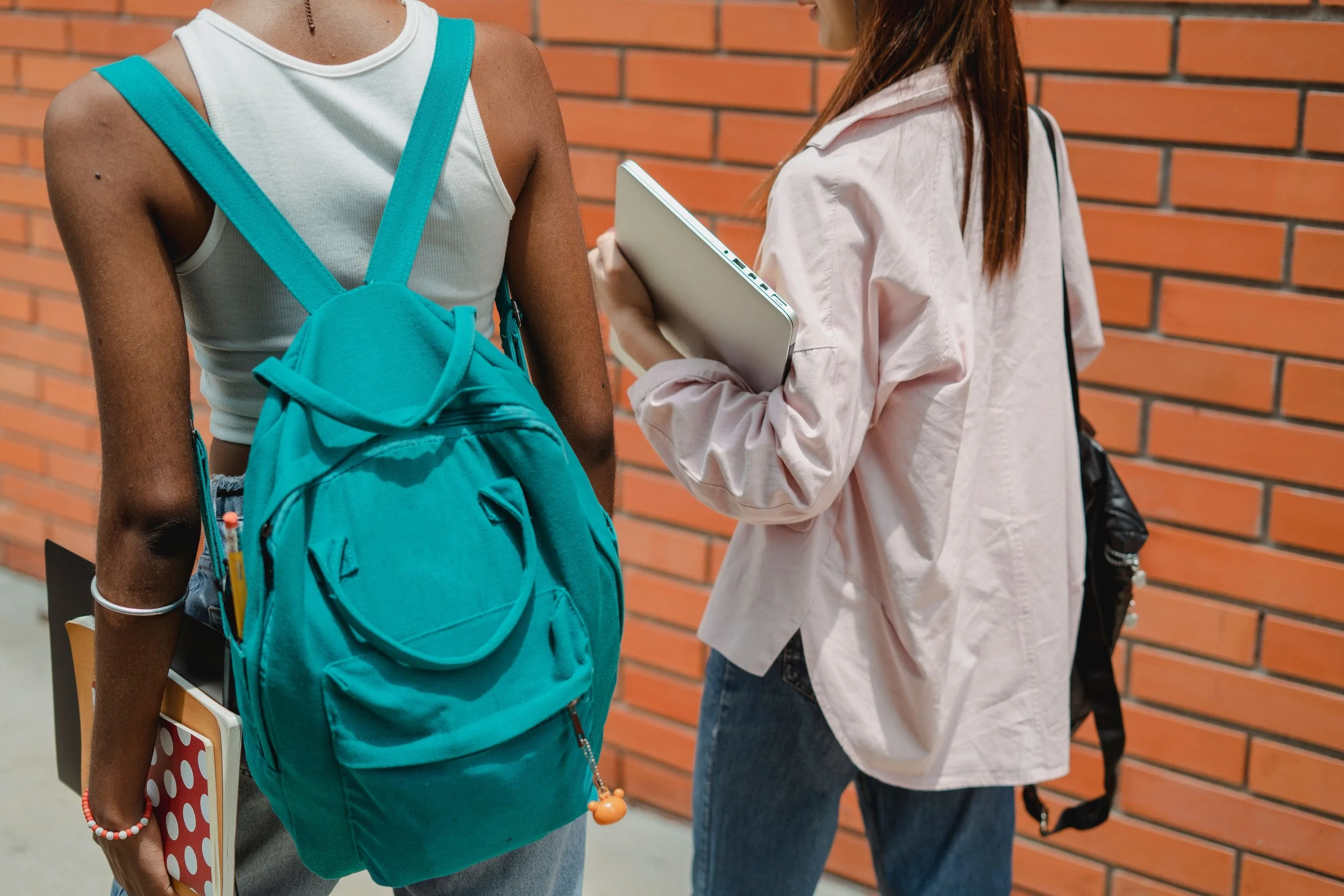
Photo Credit: Zen Chung
Watching Students Come Full Circle
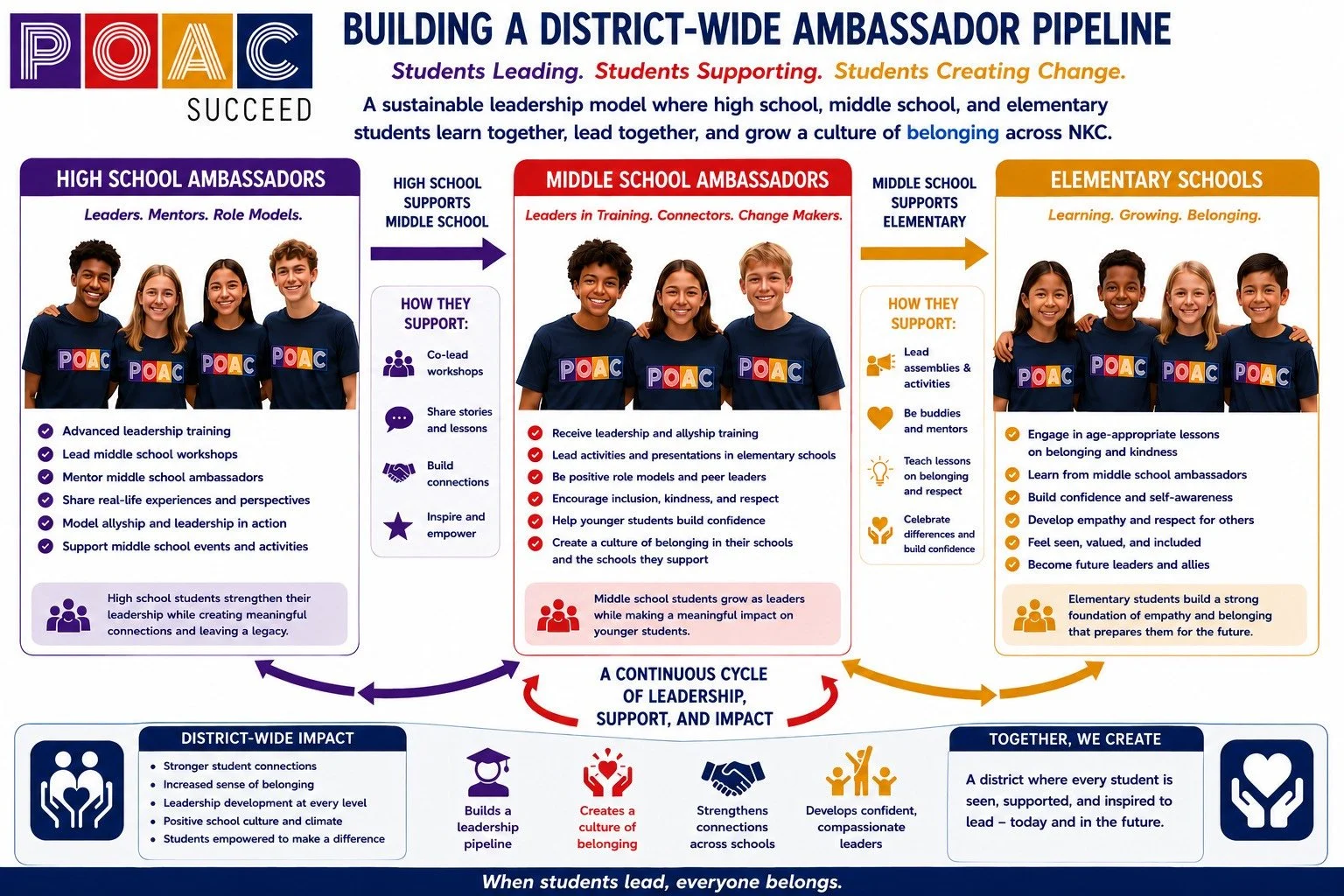
One of the greatest joys of this work has been watching students come full circle. Over the years, we have invited elementary student ambassadors to return as eighth graders and help facilitate the same lessons they once experienced. Seeing them step into leadership roles shows what happens when we intentionally invest in students. They often become the people who invest in others, and that is the heartbeat of POAC Succeed.
A Story That Shows Why Belonging Matters
One ambassador recently shared how meaningful this experience had been for her. When her family moved to the community, she entered sixth grade as the new student. Like many children who move after friendships have already formed, she struggled to find where she fit. Everyone seemed to have their own groups, inside jokes, and routines. Making friends was not easy, and she often felt like she was on the outside looking in.
Her story is a reminder that while adults may focus on grades, attendance, or behavior, many students are quietly wondering something deeper: Do I belong here?
How Leadership Changed Her Path
Time passed, and she went through our POAC sessions in sixth grade and again in seventh grade. Everything changed when she became an ambassador in eighth grade. She was no longer just participating in a program. She was trusted to lead.
She found her voice. She discovered confidence she did not know she had. She learned that leadership is not about being the loudest person in the room. Leadership is about helping someone else feel seen, valued, and important.
Returning to Serve Younger Students
This spring, she returned to one of our elementary schools to help facilitate sessions with younger students. What made the experience even more meaningful was that her younger sister attended that school. She stood in front of classrooms not only as a mentor for other children, but also as a role model for her own sister.
She shared how much she loved encouraging younger students and helping them learn the same lessons that once helped her. Watching her answer questions, celebrate successes, and connect with students made it clear that she had become exactly the kind of leader every school hopes to develop.
The Power of Student Ambassadors
That is the power of ambassadors. They don't simply help facilitate activities, they create connections. They remind younger students that leadership is within their reach. They show that kindness, courage, empathy, and belonging are not just words adults talk about but values students can model every single day.
At the same time, ambassadors continue to grow. They build confidence, communication skills, responsibility, empathy, and a deeper sense of purpose because someone believed in them first.
Why Human‑Centered Classrooms Matter
This story is exactly why Human‑Centered Classrooms matter. When we create spaces where every student feels seen, valued, and empowered, we do more than improve school culture. We change the trajectory of lives.
Sometimes the student who once questioned whether they belonged becomes the person who helps someone else find their place. There is no greater example of leadership than using your own story to help someone else feel less alone.
A Hope for Every Educator
As we begin this Human‑Centered Classrooms journey together, my hope is that every educator sees the incredible potential sitting in front of them each day. Every classroom is filled with future ambassadors waiting for someone to believe in them.
When we teach the human before the content, we do more than develop strong students. We develop compassionate leaders who carry belonging with them wherever they go and who create it for someone else.
—Dr. Tracy Platt
KEEP THE INSPIRATION GOING

Dr. Tracy Platt President of Educational Strategies, POAC Succeed
About the Author
Dr. Tracy Platt is an experienced educator and leader who has spent more than 25 years supporting students, staff, and school communities. Her work focuses on trauma awareness, student behavior, and building systems that help people feel safe, valued, and connected. Tracy has served as a teacher, principal, and district leader, and she now guides POAC Succeed’s educational strategy with clarity and compassion. Her writing reflects her commitment to helping students understand themselves and feel seen in their school environment.

Behind every lesson and every smile is a human being carrying a story. Teachers show up for students while quietly navigating their own invisible weight. This piece reveals what educators carry and why seeing them fully matters.
Image Credit: Nicola Barts